
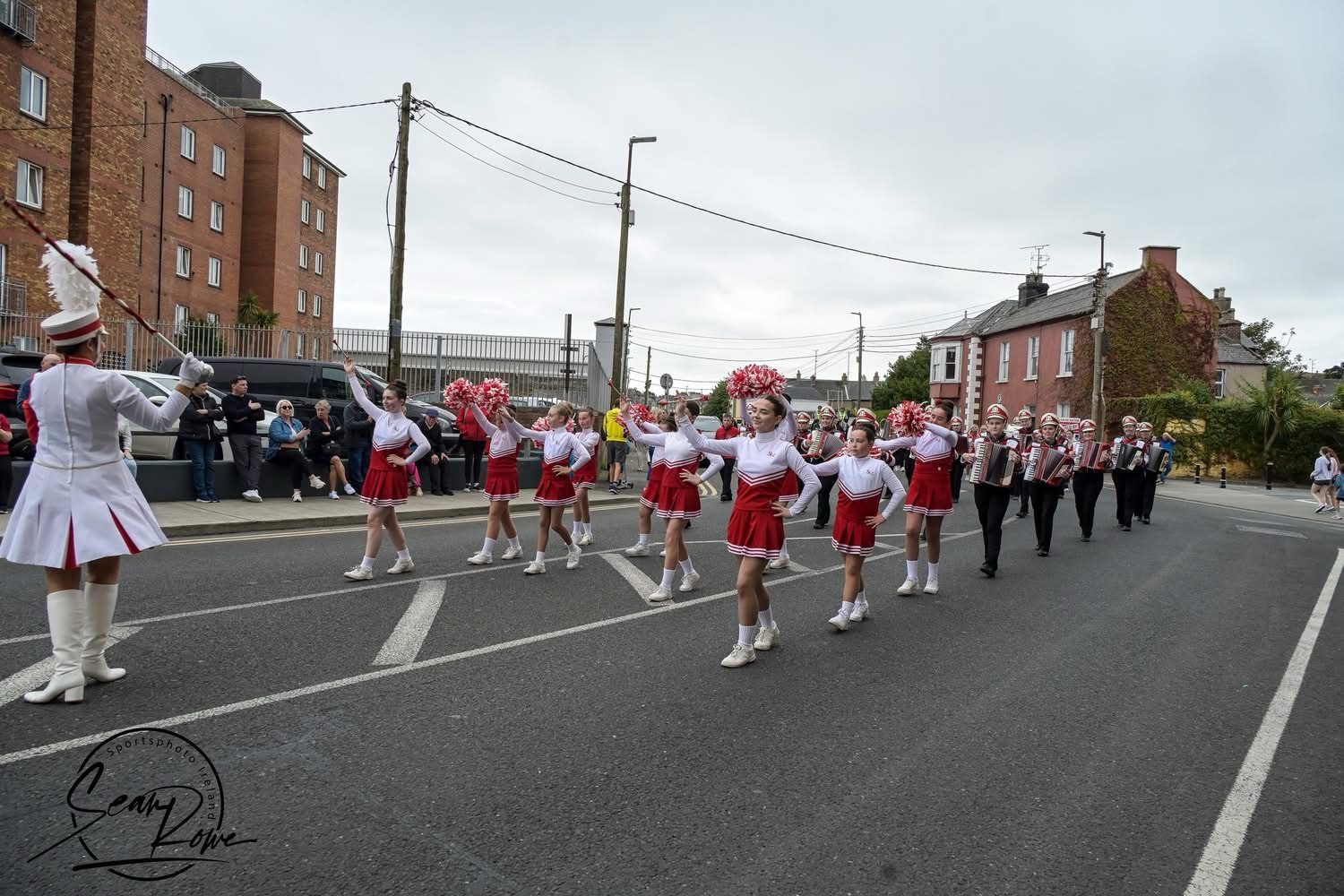
Majorettes and Baton Twirlers: Combining Dance and Music in Marching Bands
Majorettes and baton twirlers add a dynamic visual element to marching band performances. Spinning batons, twirling flags and executing choreographed dance routines, these performers bridge the gap between music and movement. Their routines are often synced to musical phrases, highlighting crescendos with high tosses and accents with precise flourishes. The tradition of majorettes dates back to the 19th century but has evolved into a sophisticated art form that demands athleticism and artistry.
Training to be a majorette or baton twirler involves mastering basic spins, tosses and catches before progressing to complex combinations and dance steps. Performers must maintain posture and timing while executing tricks, sometimes on moving parade routes. In many bands, majorettes serve as ambassadors, leading the band in parades or performing solos during field shows. Their costumes, often featuring sequins and school colours, add sparkle and pageantry to events.
In modern Irish marching bands, majorettes and twirlers reflect cultural diversity and creativity. Some groups incorporate Celtic dance motifs and contemporary styles, while others use LED-lit batons for night parades. The emphasis on inclusion means that performers of all genders and backgrounds are welcomed. As marching bands continue to push artistic boundaries, the collaboration between musicians and dancers ensures that performances captivate both the eyes and ears of audiences.