
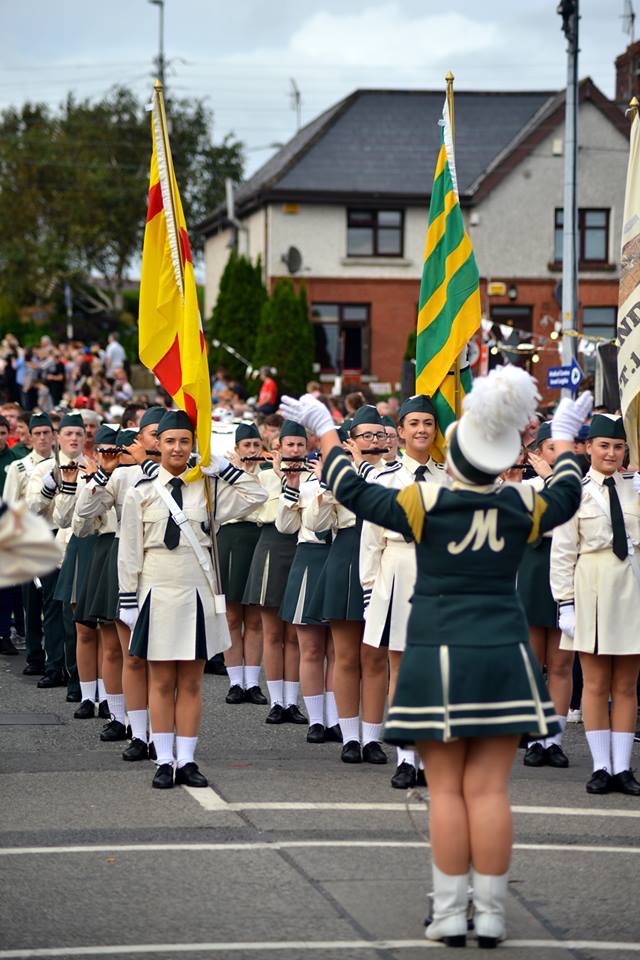
The Art of Conducting Marching Bands: Leadership and Musical Direction
Standing at the front of a marching band, the conductor shapes the performance through clear gestures and steady leadership. Unlike orchestral conductors who face their musicians, marching band conductors (often drum majors) direct from a podium, facing forward with the band behind them. They set the tempo, cue sectional entrances and cutoffs, and interpret dynamics to ensure the ensemble moves and sounds as one. Their presence gives performers confidence and provides the visual clarity needed for field formations and parade routes.
Becoming an effective conductor requires a mix of musical skill, physical coordination and leadership charisma. Drum majors typically learn conducting patterns for various meters, as well as salute choreography, vocal commands and whistle signals. They must project authority while remaining approachable to band members, often serving as liaisons between students and directors. During rehearsals, they help run warm-ups, keep time for drill blocks and offer feedback on marching technique.
Strong leadership extends beyond the podium. Conductors mentor younger members, reinforce discipline and foster team spirit. They work closely with instructors to translate musical phrases into visual design, synchronising steps, horns and flags to the score. Effective communication—both nonverbal on the field and conversational off it—is key to resolving issues and motivating peers. When done well, the art of conducting turns a group of individuals into a cohesive, confident marching ensemble that captivates audiences.