
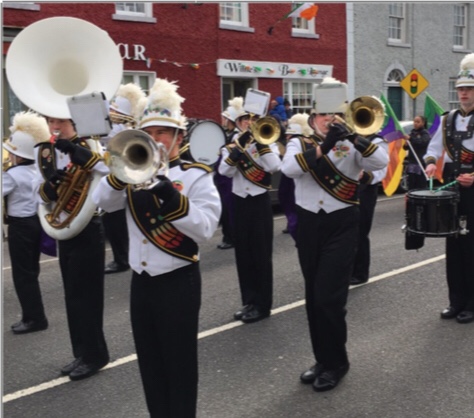
A Guide to Starting a Marching Band
Starting a marching band requires careful planning and a passion for music and community. Outline the vision and purpose, gather a group of interested musicians, identify the style of music and type of band (e.g., brass, pipe, accordion), and recruit volunteers for administration. Historically, bands have grown from grassroots efforts within parishes and towns, so reaching out to schools, youth organizations, and local musicians is a good first step. Provide an inclusive environment that welcomes both experienced players and newcomers, as many people may be drawn to the camaraderie and spectacle of marching.
Once you have interest, formalize the band’s structure. Elect a committee or appoint leaders to handle roles such as musical director, treasurer, and logistics coordinator. Develop a rehearsal schedule and find a suitable practice venue, whether it’s a community hall, school gymnasium, or outdoor field. Fundraising is important for purchasing instruments, uniforms, sheet music, and insurance. Consider applying for grants from cultural bodies, soliciting sponsorship from local businesses, and organizing concerts or raffles to raise funds. Emphasize training and skill development: hire tutors for sections, hold sectional rehearsals, and encourage members to practice at home.
The final step is to build a repertoire and public presence. Select pieces that suit your band’s abilities and reflect its identity, blending traditional Irish tunes with contemporary compositions. Plan appearances at community events, parades, and competitions such as the All-Ireland Fleadh to motivate members and showcase progress. Use social media and local press to share rehearsal updates, recruit new members, and connect with fans. Over time, a well-managed marching band becomes a pillar of community life, offering discipline, artistry, and fun. Patience and perseverance are essential, but the reward is a thriving ensemble that brings music and pride to your town.