
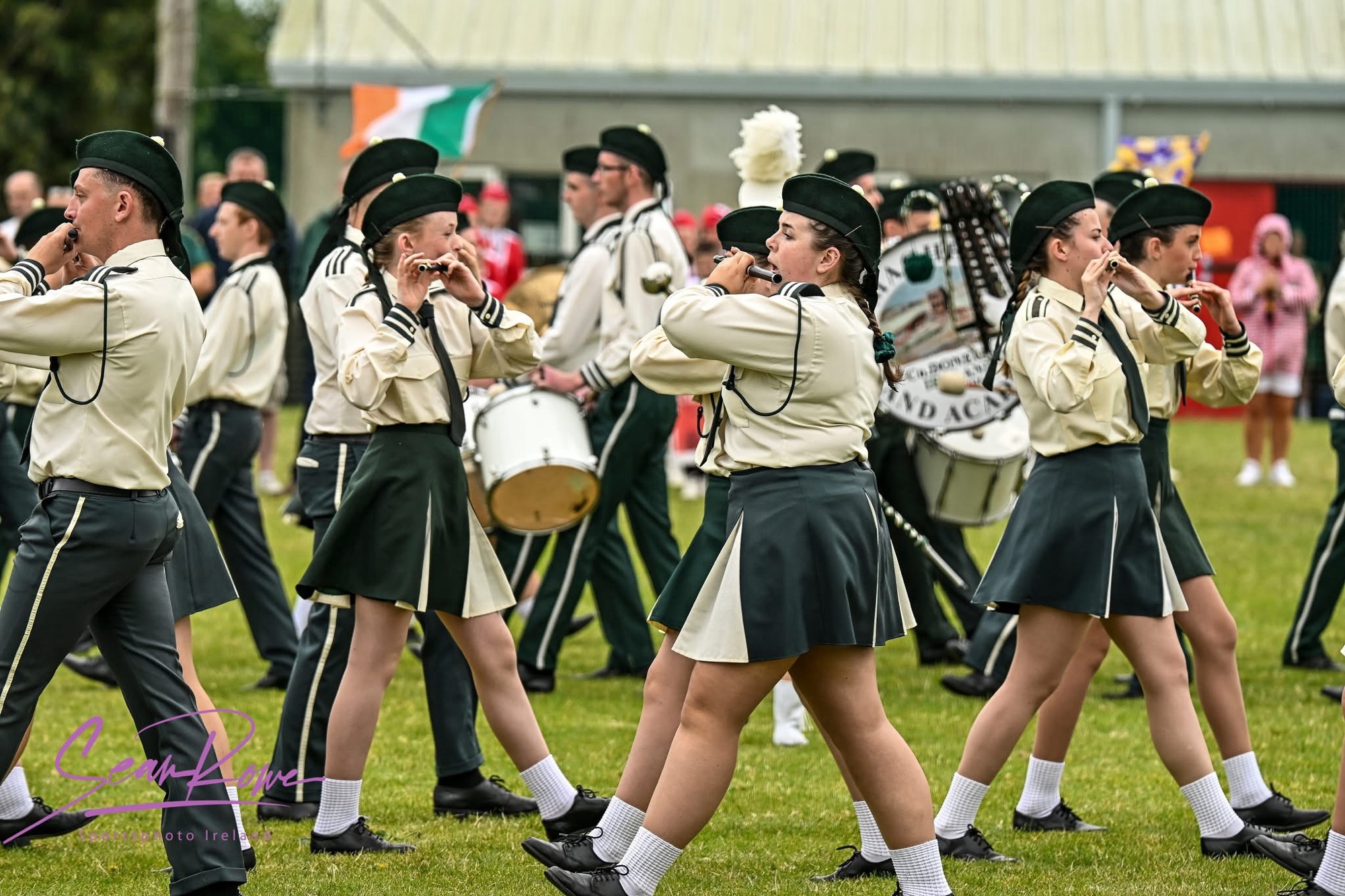
Marching Band Drills and Formations Explained
Behind every impressive field show are hours of drilling and intricate formation design. Marching bands use formations—geometric patterns made by musicians—to tell stories and create visual interest as they move across the field. Basic shapes include straight lines, blocks and arcs that guide musicians along parallel paths while maintaining consistent intervals and step sizes.
Designers map formations using coordinate charts, software or dot books that assign each performer a specific position for every count of the show. Students rehearse transitions between sets repeatedly to develop muscle memory, focusing on guiding marks and listening to commands from the drum major. Complex maneuvers such as pinwheels, cascades and expanding circles require tight spacing and clear communication so the ensemble moves seamlessly as one.
For spectators, well-executed drills add excitement, especially when combined with musical crescendos, dynamic color guard choreography and precise footwork. Judges at competitions score both musical excellence and marching precision, rewarding creative formations that align with the music. Understanding the fundamentals of marching drill design helps performers appreciate the art and science behind the spectacle.