
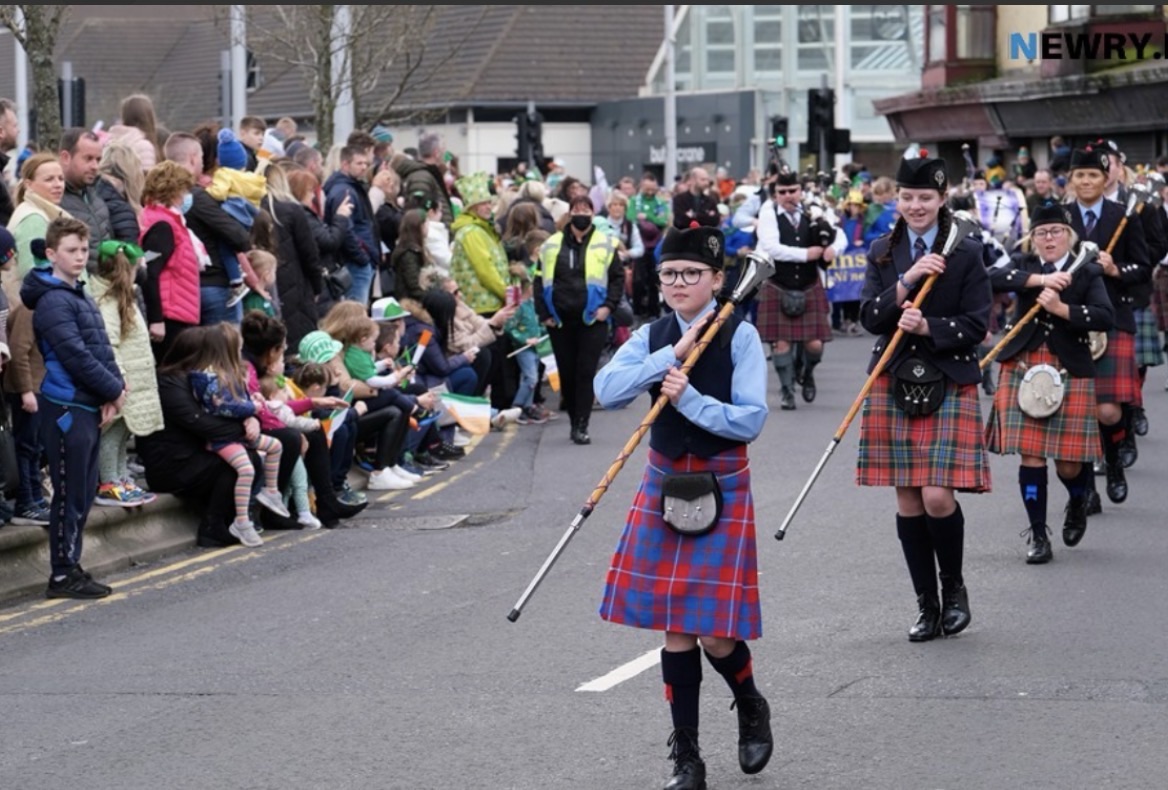
Understanding the Role of the Drum Major
The drum major is the visible leader of a marching band, responsible for keeping time and guiding the ensemble through complex formations. More than a conductor, the drum major acts as a link between the musical director and the performers, relaying cues with baton, whistle, and body language. Historically, drum majors were military figures who kept troops in step; today, they are chosen for their musical ability, leadership skills, and commanding presence.
Training to become a drum major involves mastering conducting patterns, developing strong posture and projection, and learning how to motivate and communicate with band members. Many drum majors attend specialized camps or workshops where they practice saluting, marching techniques, and showmanship. During performances, the drum major must remain calm and focused, reacting to unexpected situations such as tempo changes or weather conditions.
In Irish bands, drum majors often carry ornate maces and wear distinctive regalia that reflect the band’s heritage. They play a ceremonial role in competitions, leading the band onto the field and earning points for discipline and appearance. By embodying the spirit of the band, a skilled drum major can inspire confidence, elevate performances, and leave lasting impressions on audiences.
Explore the Fleadh Results Archive
70 Years of Results • 1957–Present • Updated Every Year
Discover historical All-Ireland and Ulster Fleadh marching band results, previous winners, competition records and statistics from over 70 years of competition.